
Charter
What Is APA in a Yacht Charter? It Is Not a Fee, It Is the Week’s Operating Account
The first time you see APA on a charter quote, it looks like a problem.
You have already agreed a weekly rate that is not small. Then, underneath it, a broker adds another line, often 30 or 35 per cent of that rate, labelled APA. It reads like a surcharge, a hidden fee, a way of quietly making an expensive holiday more expensive.
It is none of those things.
APA is one of the most misunderstood terms in luxury charter, and also one of the fairest. Understanding it is the difference between a client who feels nickel-and-dimed and a client who understands exactly what they are buying.
Here is the honest explanation.
What APA actually is
APA stands for Advance Provisioning Allowance.
It is not a fee. It is a prepaid operating account for your charter, held separately from the base charter fee, that the captain uses to pay the real running costs of the week as they happen. Think of it less as a charge and more as the current account of the yacht for your seven days on board.
The base charter fee pays for the yacht and the crew.
The APA pays for everything it takes to actually run the holiday.
The lead charterer transfers the APA to the yacht before boarding, usually into a dedicated account that only the captain controls. From that fund, the captain covers the variable costs of the trip without stopping to ask you to approve every single invoice. That is the entire point: it lets a professional crew deliver a seamless week instead of turning your holiday into a running series of card payments.
The number that worries people
APA is set as a percentage of the base charter fee, because that is a simple way to estimate the likely running costs.
As a general guide, it usually falls between 20 and 40 per cent. Sailing yachts and catamarans tend to sit at the lower end, around 20 to 25 per cent, because they burn less fuel. Motor yachts commonly run higher, around 30 to 40 per cent, and very large or very active yachts can go higher still. The exact figure depends on the yacht type, the itinerary and how the guests intend to use the week.
On a 200,000 euro week on a 50-metre motor yacht in the Mediterranean, an APA of 30 to 35 per cent means roughly 60,000 to 70,000 euro transferred in advance.
That is a large number.
But it is not a cost on top of costs. It is an estimate of money you were always going to spend, collected in advance so the crew can spend it on your behalf.
What the APA pays for
The APA covers the variable operating costs of the charter.
Fuel is usually the single largest item, especially on a motor yacht with an ambitious itinerary. Beyond that, it covers food and drink provisioning to your preferences, berthing and marina fees, port and harbour charges, fuel for the tender and water toys, and the various sundries and communications costs that a working yacht generates every day.
This is why the APA moves with the week you choose.
A slow, anchor-heavy week around one archipelago spends very differently from a week that crosses long distances at speed and books a premium berth in a marquee marina every night. The same yacht, the same rate, two completely different APA outcomes.
What the APA does not cover
Just as important is what sits outside it.
The APA does not cover the base charter fee itself, which is billed separately. It does not cover the crew gratuity, which is customary at the end of a good charter and typically runs around 10 to 20 per cent, handled on its own. It does not cover the security deposit where one applies. And it is not the mechanism through which charter tax is paid.
Keeping these separate is what makes a charter quote readable.
Base fee, APA, tax, gratuity. Four clean lines, four different purposes.
The detail that proves the point
There is one technical fact that settles the argument about whether APA is a fee.
VAT is charged on the charter fee. It is not charged on the APA itself, because the APA is not income to the yacht. It is your money, held and spent on your behalf at cost. Some of the individual expenses paid out of it, a marina invoice for example, may have their own VAT already baked in, but the APA as a sum is not a taxable item.
A fee is something you pay to someone.
The APA is something you fund and then largely get accounted back to you. That is a fundamentally different thing, and the tax treatment confirms it.
How it is settled
Throughout the charter, the captain keeps detailed accounts of every expense drawn from the APA.
At the end of the week, those accounts are reconciled. If you have spent less than the APA, the unused balance is returned to you, usually by bank transfer once the final invoices and card slips have cleared. If the week has cost more than the estimate, because the itinerary grew, the fuel ran higher or the provisioning was more elaborate, you settle the difference, often by a simple top-up during or after the trip.
You can ask to see the running position at any point.
A good captain expects that question and answers it clearly. A charter where nobody can tell you how the APA is tracking is a charter with a management problem, not a money problem.
Why it exists at all
The obvious question is why charters do not simply quote one all-inclusive price.
Some do. In parts of the Caribbean, charter fees are often rolled into a single all-inclusive total. But across the Mediterranean, and on most yachts operating under the standard MYBA terms, the plus-expenses model with a separate APA is the norm, and there is a good reason for it.
An all-inclusive price has to protect the operator against the most expensive possible week.
The APA model does the opposite. It lets you pay for the week you actually have, tailored to your route and your preferences, and it returns what you do not spend. On a Sardinia or Costa Smeralda charter, where fuel, park permits and premium berths can swing the real cost significantly, that flexibility usually works in the guest's favour, not against it.
How to read your APA
Treat the APA percentage as information, not as a threat.
When you receive a quote, ask what the APA is and why it has been set at that level for your specific itinerary. Ask what it is expected to cover and what is excluded. Ask how and when the reconciliation happens, and how any unused balance is returned. Ask whether the yacht is on plus-expenses terms or all-inclusive, so you are comparing like with like between boats.
The answers tell you as much about the operator as about the price.
A professional broker and a professional captain will welcome every one of those questions. Vagueness is the only real warning sign.
Yacht.it view
APA is not the yacht world quietly charging you more.
It is the yacht world being honest that a week at sea has real, variable running costs, and choosing to fund them transparently rather than hide them inside a padded headline price. Read properly, the APA is not a reason to distrust a quote. It is a reason to trust it.
The base fee buys the yacht and the crew.
The APA runs the week, and gives you back what the week did not need.
That is not a fee. That is how a serious charter is meant to work.
More from the journal
 Charter
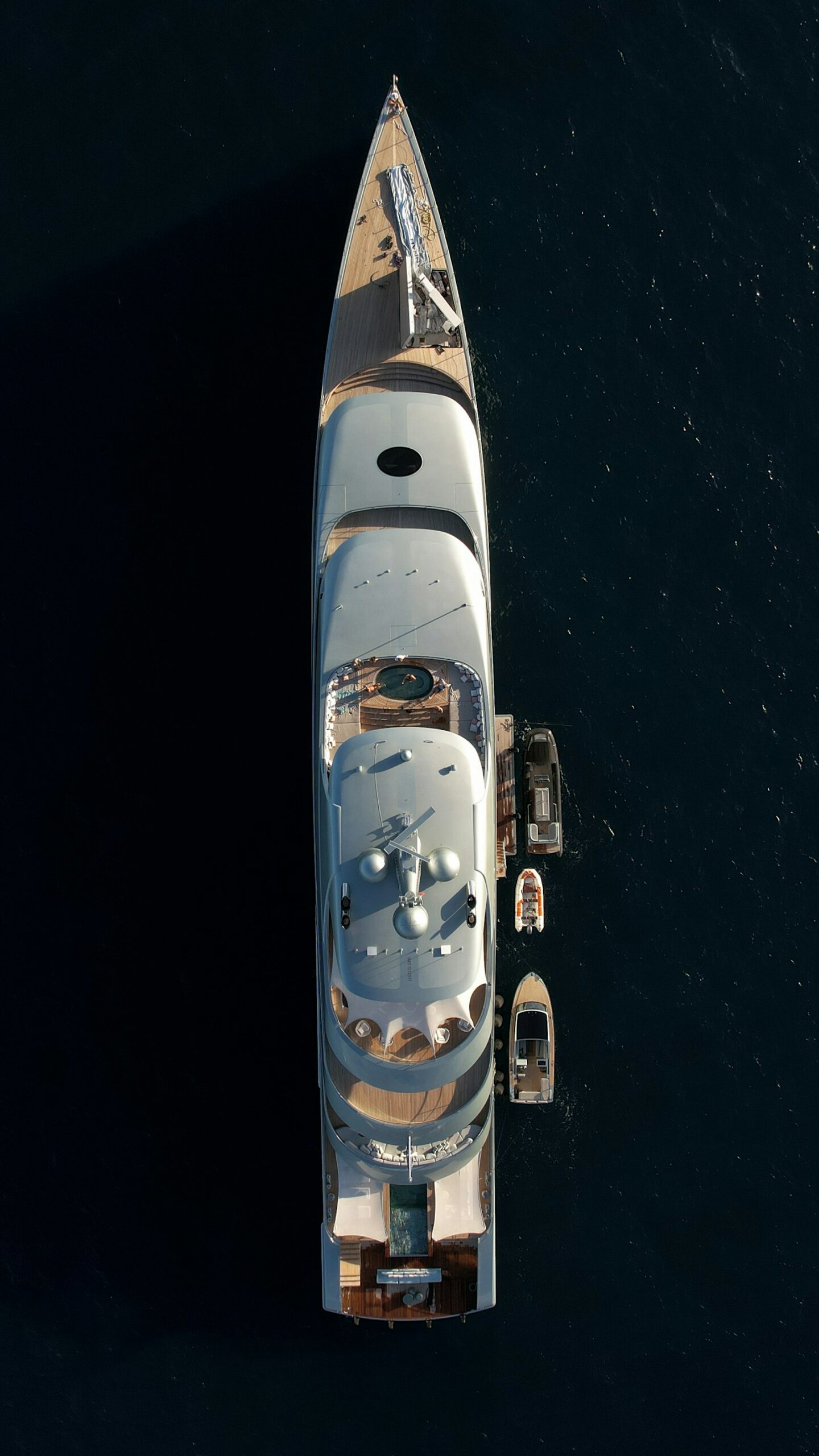
Motor Yacht or Catamaran in Sardinia: Which Charter Should You Choose?
Motor yacht or catamaran in Sardinia? A guide to speed, comfort, fuel, cost, La Maddalena, families and the charter that…
 Charter
Tuscany Yacht Charter Cost: Elba, Argentario and Giglio in 2026
What a yacht charter in Tuscany really costs in 2026, across Elba, Argentario and Giglio, from day boats to crewed…
 Charter
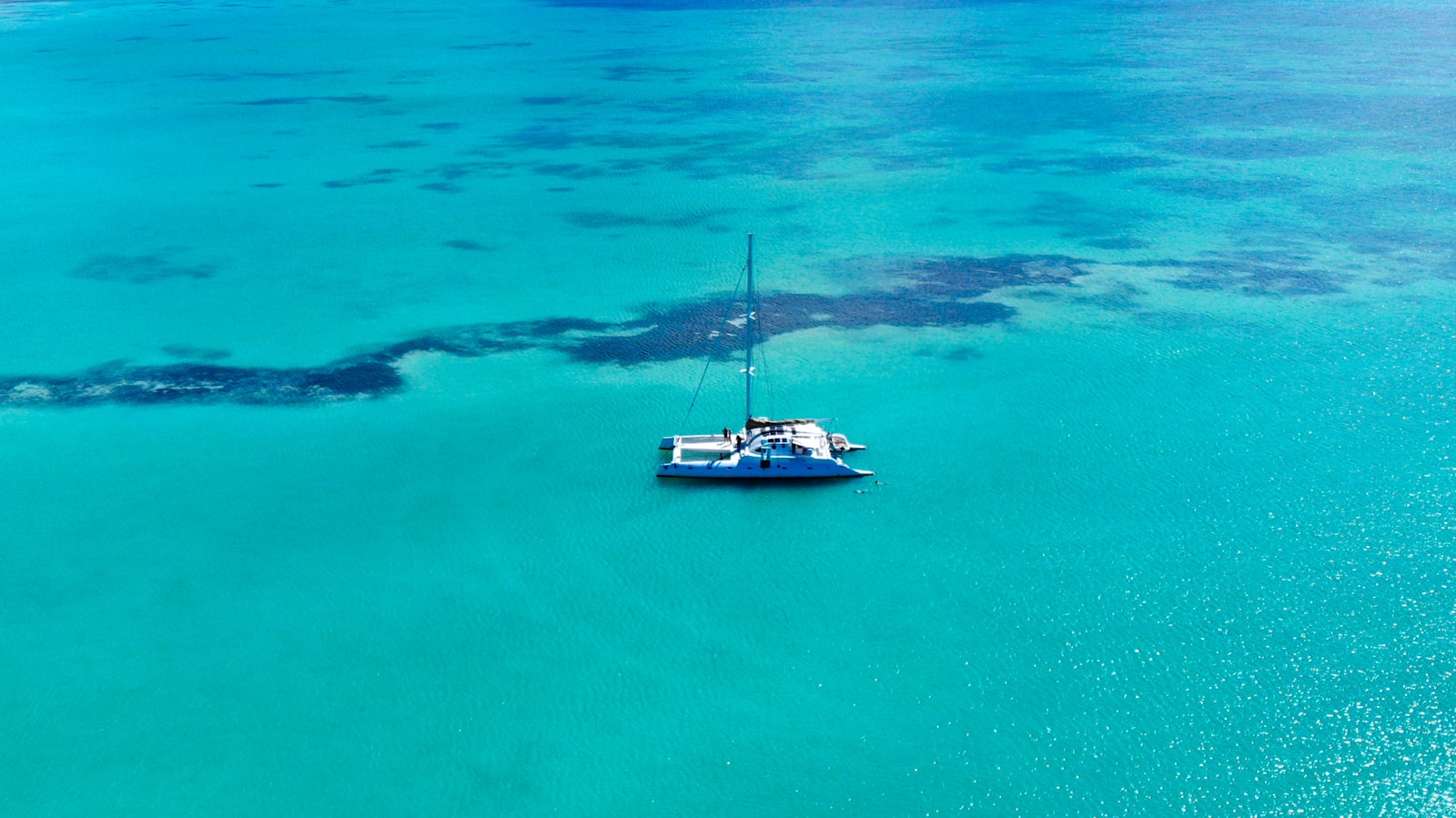
Sardinia Catamaran Charter Cost: Bareboat, Skippered or Crewed in 2026?
What a catamaran charter in Sardinia really costs in 2026: bareboat, skippered and crewed, with La Maddalena permits, fuel, mooring…

Start the conversation
Planning a yacht charter in Italy?
Tell us your dates, destination and guest number. We prepare a private shortlist with selected charter partners.
No account, no spam. A real person reads every brief and replies, usually within a day.