Operations
Suez Canal Yacht Surcharge Hits 26%: Why Repositioning Just Got More Expensive
Yacht owners like to talk about freedom.
Captains know freedom has invoices.
The Suez Canal is one of those places where the romantic idea of long-range cruising meets the very practical world of tariffs, paperwork, security, agency fees, timing, crew planning and route risk. It is not a glamorous subject. That is exactly why serious owners should pay attention.
From July 15, 2026, the Suez Canal surcharge applied to yachts increased to 26 percent. Yachtall reports that the revised rate applies under SCA Periodical 25/2026 to vessels classified as "special floating units", including yachts and pleasure craft, while SuperYachtTimes also reports that the surcharge has risen from 14 percent to 26 percent of normal transit dues.
This is not the biggest cost in yachting.
It is a signal.
Repositioning is becoming more strategic
===PAGE 20===
The Suez Canal matters because it connects yacht worlds.
Mediterranean summer. Red Sea winter. Gulf cruising. Indian Ocean itineraries. Maldives. Seychelles. Shipyard movements. Owner plans that look simple on a map and complicated in a captain's spreadsheet.
When the cost of passage rises, it does not automatically cancel a yacht's plan. But it changes the calculation. A yacht that might have repositioned casually now needs a clearer reason. A winter itinerary needs to justify itself. A delivery schedule needs more discipline. A charter programme needs to understand whether the transit cost belongs in the owner's appetite or the commercial plan.
The Suez Canal is not just a route.
It is a decision.
The surcharge is part of a wider pattern
Suez is not only changing for yachts.
The Suez Canal Authority has issued a series of 2026 periodicals adjusting surcharges for different vessel categories. For example, SCA Periodical No. 26/2026 amends the surcharge for "Other Vessels" from 14 percent to 26 percent of normal transit dues, applicable from July 15, 2026.
That context matters.
Yachts are not being treated in a vacuum. Canal economics, shipping patterns, Red Sea risk, global traffic and market conditions all affect the pricing environment. Owners often think their yacht lives outside commercial shipping. Operationally, it does not.
It shares canals, agents, ports, security realities and bureaucratic systems.
Why captains care before owners do
Captains feel these changes early.
They know the transit is not only the published due. They know the surrounding costs: agency arrangements, timing, canal measurement, paperwork, crew hours, fuel planning, possible delays, route security, insurance considerations and what happens if the owner changes his mind halfway through a seasonal plan.
A higher surcharge sharpens the conversation.
If the owner wants the yacht in the Red Sea, Gulf or Indian Ocean, the operational brief must be serious. If the yacht is only following fashion, the cost may expose that.
===PAGE 21===
Good yacht management is partly the art of making owners confront consequences before the invoice does.
Charter impact
For charter, the effect is indirect but real.
A yacht positioned in the right cruising ground at the right time has commercial advantage. Moving her there is part of the business. If transit costs rise, the owner may be more selective about seasonal repositioning. That can affect charter availability, rates, delivery fees and the willingness to chase uncertain demand outside core Mediterranean and Caribbean seasons.
Guests may not see "Suez surcharge" on an itinerary.
They may see fewer yachts available in certain regions, higher repositioning costs, or stricter booking conditions.
The boring operational change eventually becomes a guest-facing reality.
Mediterranean owners should pay attention
A Mediterranean-only owner may be tempted to ignore this.
That would be narrow.
The yacht market is global. Costs in one corridor affect where yachts go, where they do not go, where charter fleets concentrate, where refit work is scheduled and how managers think about long-range programmes. The Suez Canal is a pressure point in that system.
Even if your yacht never transits, the pricing tells you something.
The cost of movement is rising.
That makes placement more valuable.
What serious owners should ask
Before approving a Suez transit, ask:
Why is the yacht moving? Is there enough owner use or charter demand to justify it? Are the route risks and insurance implications current? Has the agent provided a complete estimate? What happens if dates shift? Is there a smarter seasonal plan?
===PAGE 22===
These questions are not anti-adventure.
They are the foundation of a yacht programme that does not become expensive theatre.
Yacht.it view
The Suez Canal surcharge increase is not a lifestyle headline.
It is better than that.
It is a reminder that the most important yacht decisions often happen away from the beach club: in route planning, tariffs, canal dues, agency calls and the dull documents that make freedom possible.
A yacht can still go almost anywhere.
But in 2026, almost anywhere costs more to justify.
More from the journal
 Superyachts
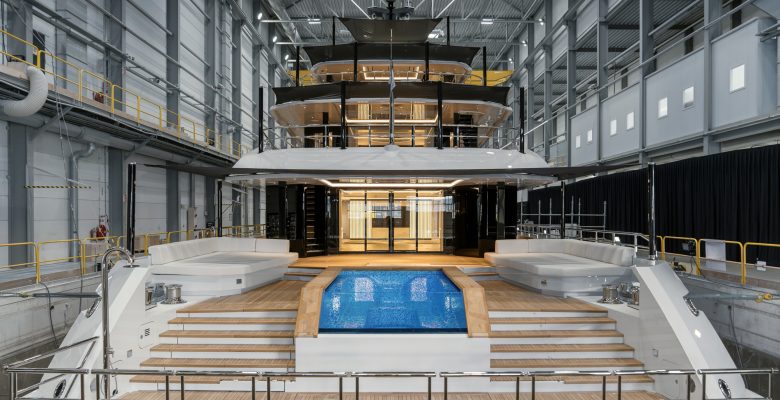
Heesen Project Setteesettanta: Why Returning Owners Build Better Yachts
Heesen has launched YN 20857 Project Setteesettanta, a 57-metre full-custom aluminium yacht for returning owners, with a private owner deck.
 Italian Yachts
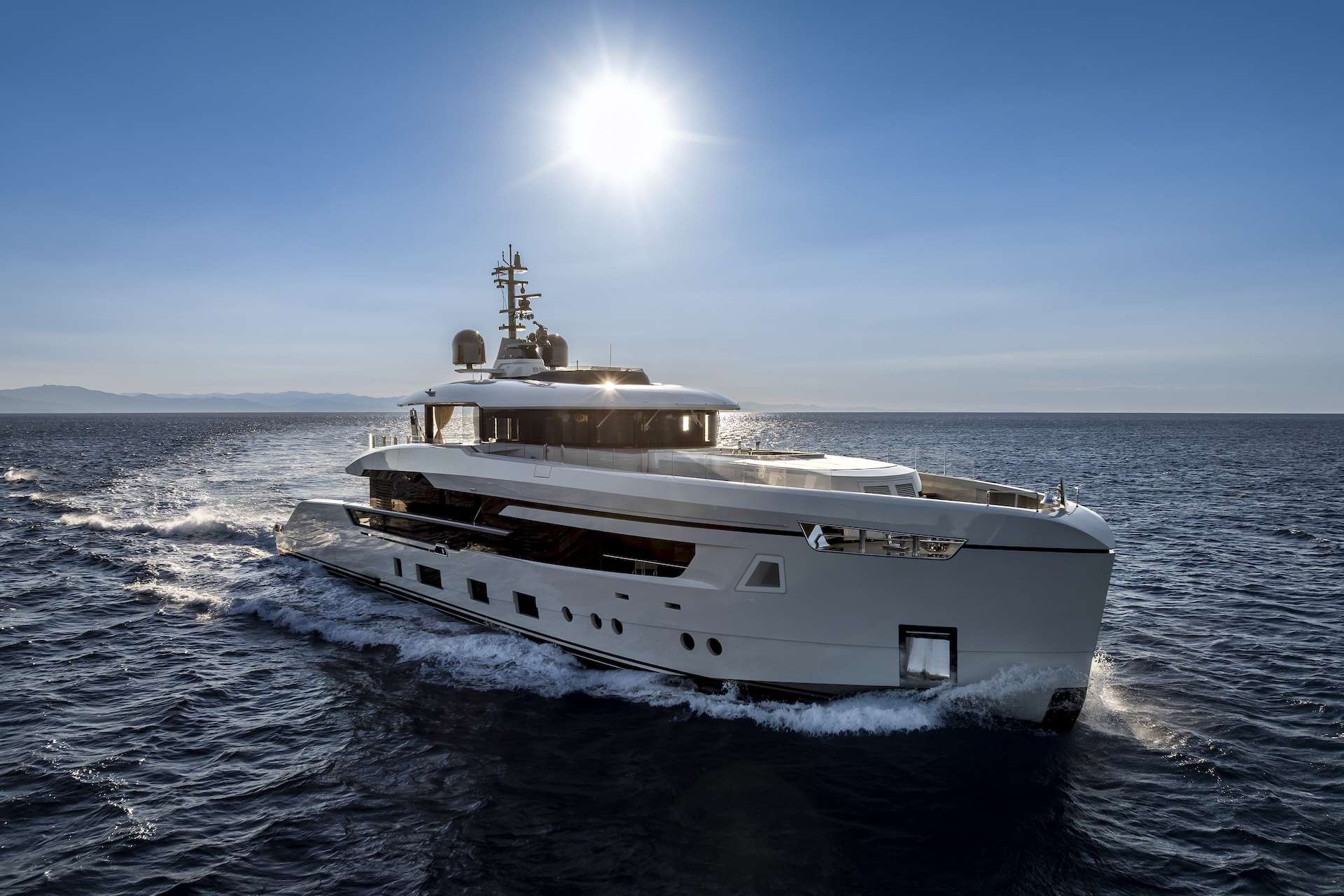
Columbus Atlantique 38: Why the Smallest Atlantique May Be the Most Useful One
Columbus Yachts has revealed the 38-metre Atlantique 38, M/Y Principessa Capricciosa: a compact superyacht built around terraces and five cabins.
 Italian Yachts
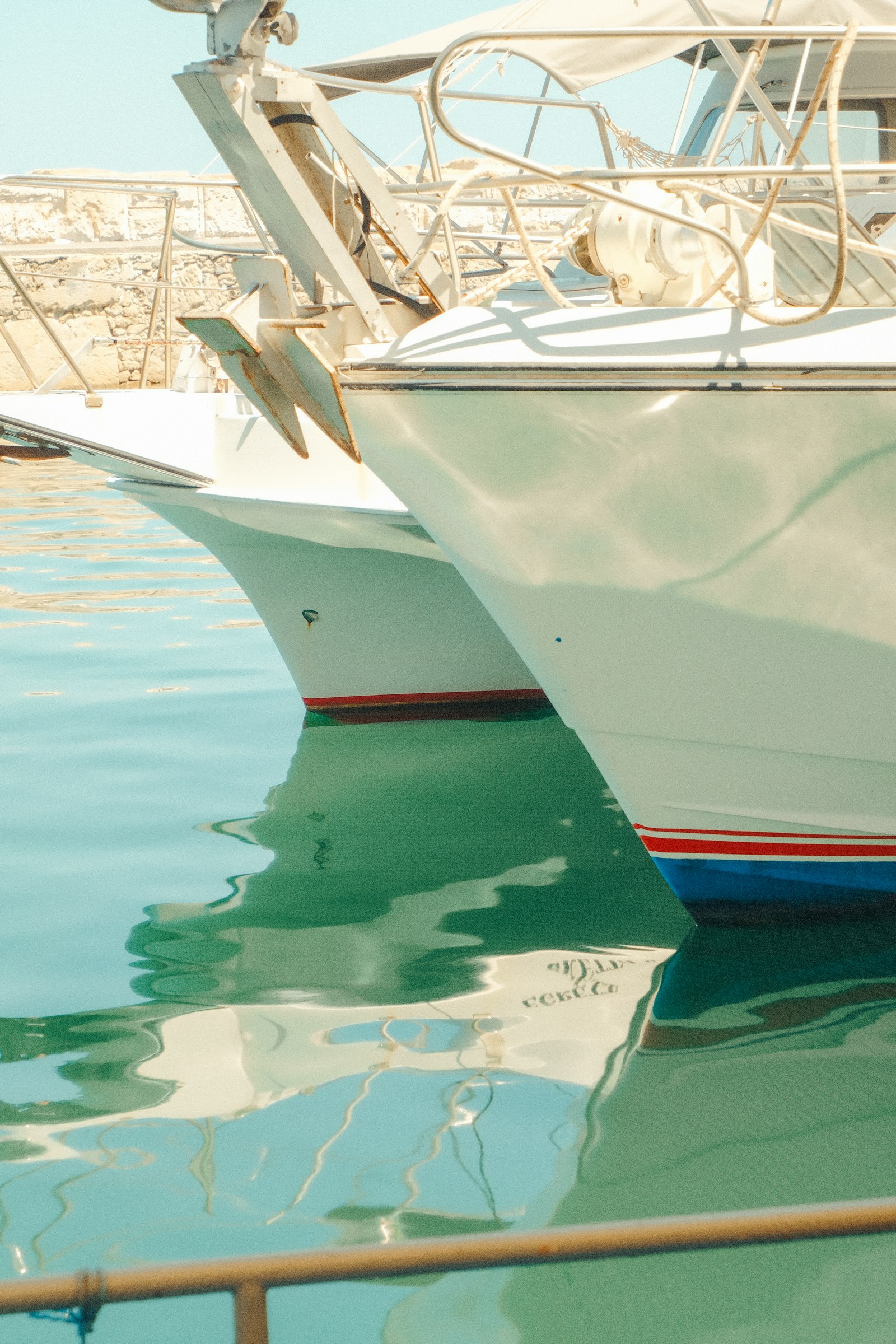
Admiral Silvia: The Blue-Hulled 53.5M Hybrid Yacht That Makes Hotel Mode Matter
M/Y Silvia has launched in Marina di Carrara, a 53.5-metre hybrid Admiral with quiet hotel-mode capability and a private owner…

Start the conversation
Planning a yacht charter in Italy?
Tell us your dates, destination and guest number. We prepare a private shortlist with selected charter partners.
No account, no spam. A real person reads every brief and replies, usually within a day.