
Marinas
Marina Port Valencia Opens Its Inner Basin. The Mediterranean Map Just Got More Interesting.
Superyacht destinations usually become famous in one of two ways.
Either owners and captains already want to be there, and infrastructure slowly catches up. Or infrastructure arrives first, quietly, and waits for the market to realise that the map has changed.
Valencia belongs to the second category.
Marina Port Valencia has opened Marina City, its new inner marina, as part of a wider waterfront redevelopment. The new basin is designed to welcome yachts from 12 to 130 metres, with a central pontoon offering berths from 15 metres available under long-term sale or lease agreements of ten, fifteen or twenty years. The project is being developed by IPM-IMG Group and Ocibar, with plans that include the revitalisation of the three marinas used for the 2007 America's Cup.
For yacht owners, captains and charter planners, this is not just a marina update. It is a reminder that the western Mediterranean is not only Palma, Barcelona, Monaco and the Balearics.
Valencia wants a place in the conversation.
Why Valencia matters
Valencia has always had the raw ingredients.
It has an international airport, a real city behind the waterfront, strong food culture, good weather, architecture, beaches, crew-friendly urban life and a location that sits neatly between the Balearics and the Spanish mainland coast.
What it has not had, at least internationally, is the same superyacht shorthand as Palma or Barcelona.
That may now start to change.
Marina Port Valencia's own project description says the wider development will include three renovated marinas with berths for vessels from 8 to 130 metres, a dry marina and a technical shipyard with specialist companies, plus comprehensive berth services and 24/7 surveillance.
That is the kind of infrastructure language captains notice. Guests may think in beach clubs. Captains think in shelter, berths, technical support, access, security, turnaround time and whether the city works for crew.
A marina becomes powerful when it works for both.
The America's Cup afterlife
The 2007 America's Cup left Valencia with waterfront infrastructure, global visibility and a question: what happens after the event leaves?
Many host cities struggle with that. Temporary glamour is easy. Long-term marine economy is harder.
The Marina Port Valencia project is interesting because it is not trying to live off old event prestige alone. It is attempting to turn that waterfront legacy into a modern marina district, with berthing, refit, dry dock, commercial and lifestyle elements working together.
That matters because superyacht routes are increasingly shaped by operational convenience. Owners and charter guests see the glamorous layer. Captains and managers see the machine underneath.
A city that can offer both becomes more valuable.
How this could affect Mediterranean itineraries
Valencia will not replace the Balearics. That is the wrong way to read the story.
The Balearics remain the obvious cruising magnet: Ibiza, Formentera, Mallorca, Menorca. Palma remains one of the strongest yachting centres in Europe. Barcelona has the urban-superyacht position. Monaco and the Cote d'Azur still dominate prestige.
Valencia's opportunity is different.
It can become a strategic mainland base before or after a Balearic itinerary. It can work for yachts repositioning along the Spanish coast. It can provide an urban alternative for owners who want a less predictable stop. It can become useful for winter works, refit planning, crew life and longer berthing decisions if the wider infrastructure performs.
For charter, the immediate effect is subtler.
Most charter guests will still ask for Ibiza or Mallorca first. But a better Valencia marine infrastructure gives brokers and captains more flexibility around embarkation, disembarkation, technical pauses and mainland add-ons.
The best yachting destinations are not always the ones guests request first. They are often the ones that make the whole trip work.
What guests should understand
From a guest perspective, Valencia is underrated.
It has the kind of city energy that can make the start or end of a charter feel less generic. You can eat extremely well, walk, see architecture, avoid some of the intensity of the island circuit, then board and move toward the Balearics.
That is a different proposition from beginning directly in Ibiza, where the holiday starts at full volume. Valencia gives a softer opening. City first, sea after.
For some clients, that is exactly right.
Yacht.it view
Marina Port Valencia's new inner basin is not just about more berths.
It is about the western Mediterranean becoming more competitive and more intelligent. The destinations that win will be the ones that combine guest appeal with serious marine infrastructure.
Valencia has always had the city.
Now it is building the yachting argument around it.
For owners, captains and charter planners, that makes it worth watching closely.
More from the journal
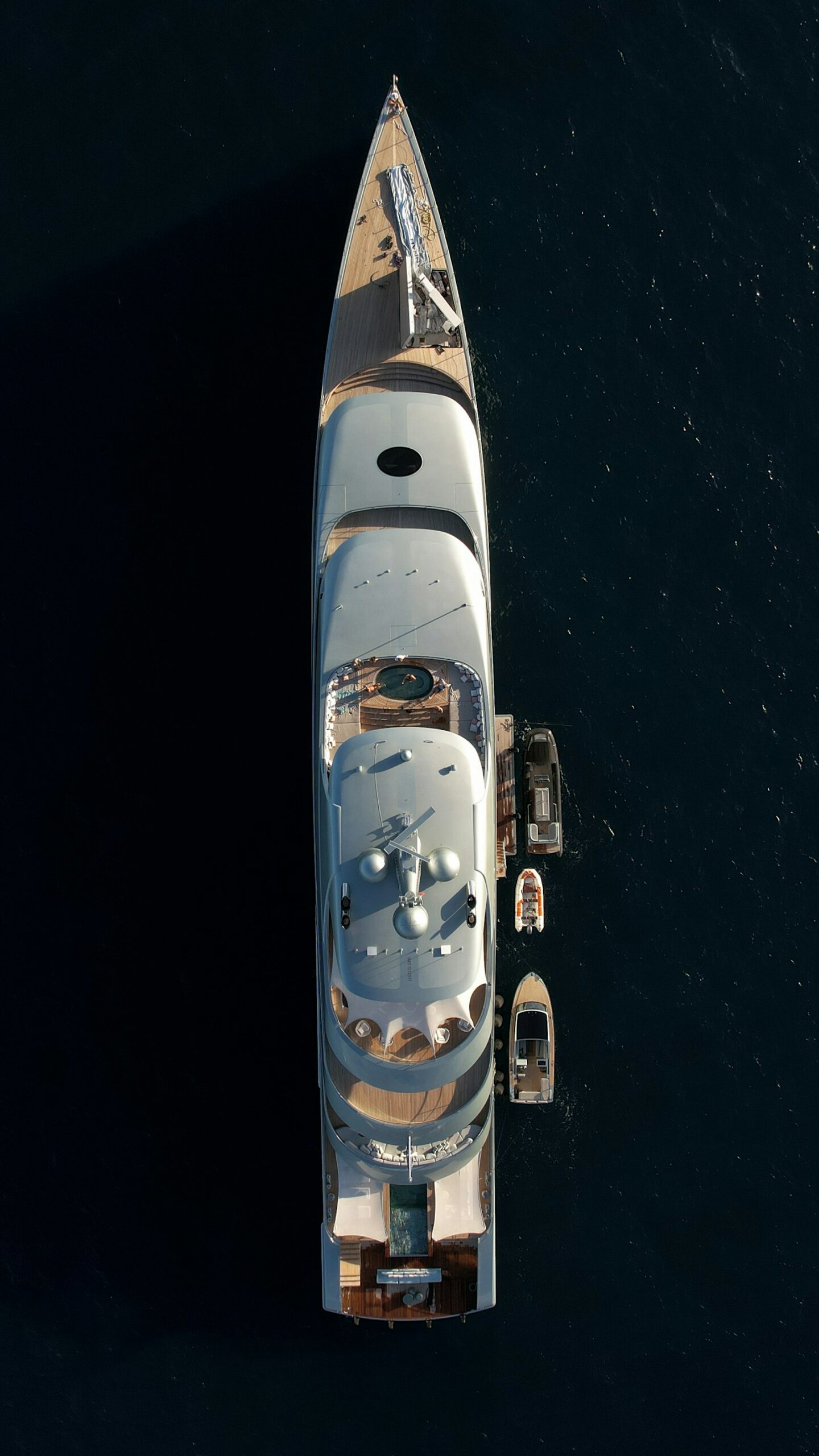 Charter
Motor Yacht or Catamaran in Sardinia: Which Charter Should You Choose?
Motor yacht or catamaran in Sardinia? A guide to speed, comfort, fuel, cost, La Maddalena, families and the charter that…
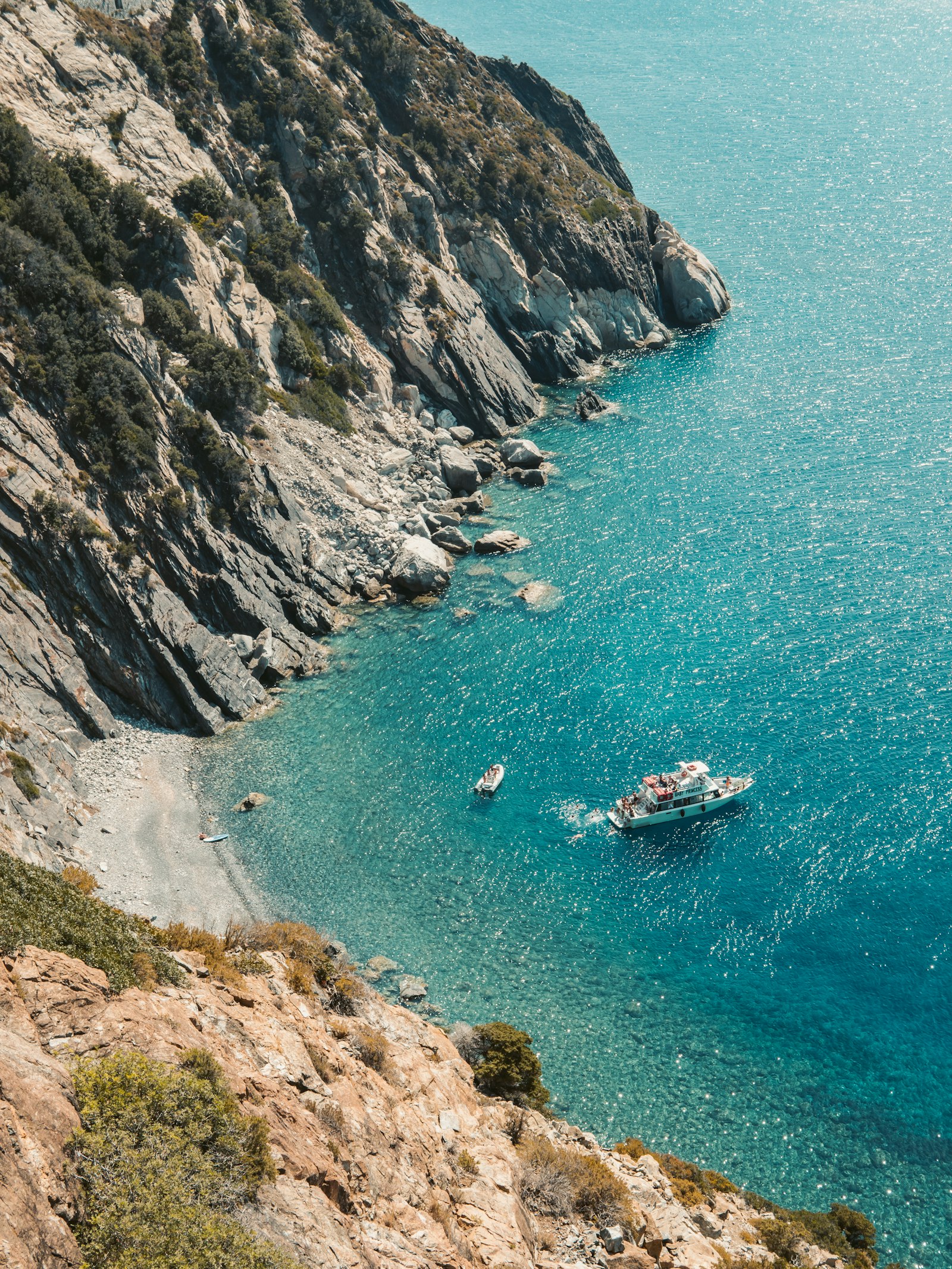 Charter
Tuscany Yacht Charter Cost: Elba, Argentario and Giglio in 2026
What a yacht charter in Tuscany really costs in 2026, across Elba, Argentario and Giglio, from day boats to crewed…
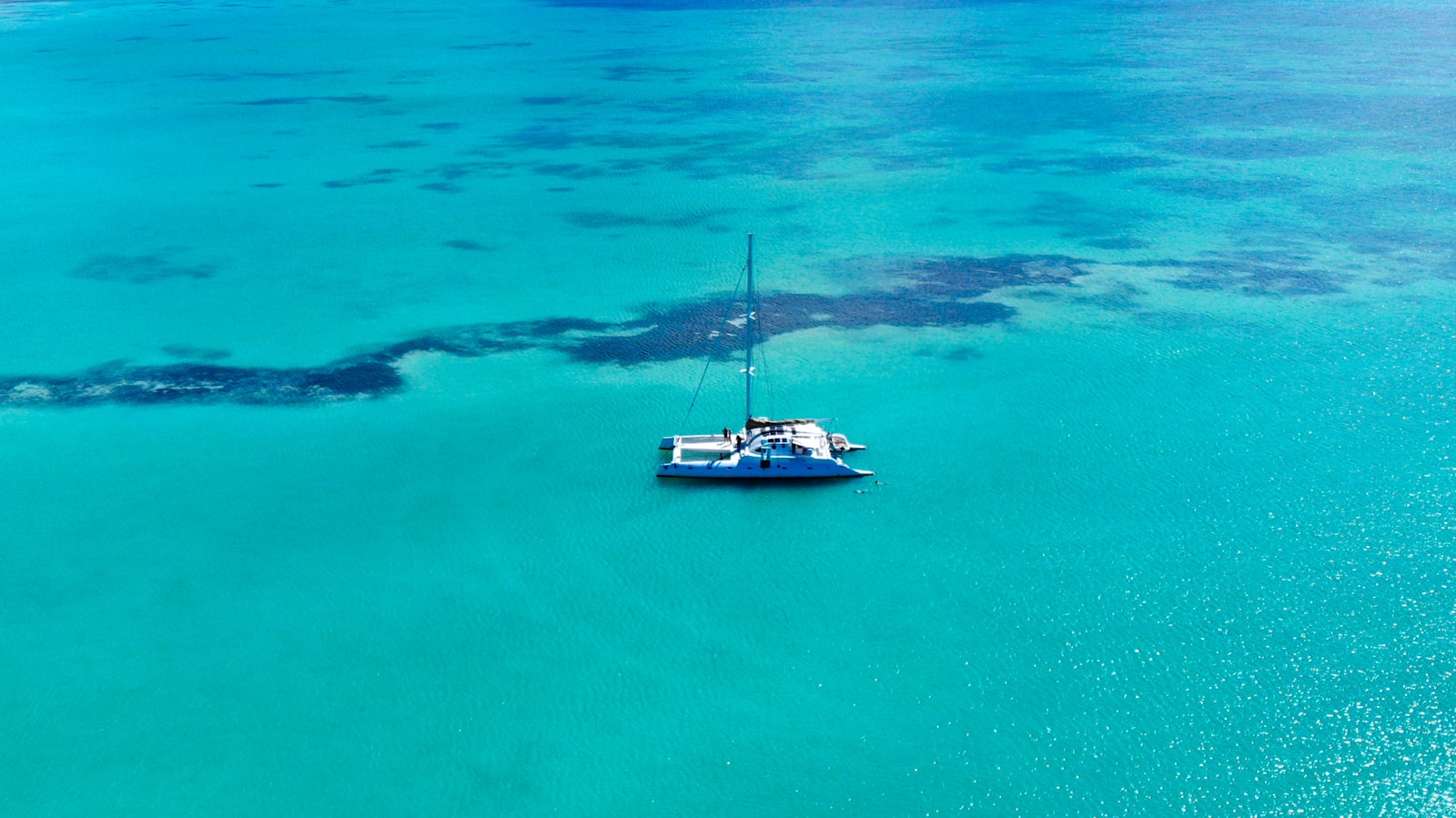 Charter
Sardinia Catamaran Charter Cost: Bareboat, Skippered or Crewed in 2026?
What a catamaran charter in Sardinia really costs in 2026: bareboat, skippered and crewed, with La Maddalena permits, fuel, mooring…

Start the conversation
Planning a yacht charter in Italy?
Tell us your dates, destination and guest number. We prepare a private shortlist with selected charter partners.
No account, no spam. A real person reads every brief and replies, usually within a day.