
France
France’s Proposed 50-Metre Superyacht Ban: What Owners Should Actually Understand
The first reaction will be outrage.
That is predictable. A proposal to ban large yachts from French ports and territorial waters is designed to provoke exactly that reaction: shock from owners, alarm from marinas, applause from critics of luxury, and a wave of headlines that flatten a complicated industry into one symbol.
The smarter reaction is colder.
A private member's bill filed at the French National Assembly on June 23, 2026 proposes to prohibit access and use of French ports and waters by superyachts. The proposal, bill no. 2968, was referred to the Committee for Sustainable Development and Regional Planning.
Italian superyacht press reports that the proposed measure targets recreational vessels of 50 metres or more, with a ban on access to ports, berthing and anchoring in French territorial waters, except in maritime emergencies.
This may never become law in its current form.
It still matters.
Why owners should not dismiss it
The mistake would be to laugh it off because the measure sounds politically extreme.
Maybe it is. Maybe it cannot survive the economic reality of the French Riviera. Maybe the yachting ecosystem around Cote d'Azur, Monaco-adjacent services, shipyards, agents, crew, suppliers and ports will make a full ban impractical. That does not mean the proposal is meaningless.
It tells owners something about the direction of the argument.
Superyachts are becoming easier political targets. Not because every argument against them is technically precise. Because they are visually perfect symbols: large, private, fuel-intensive, often opaque in ownership, and physically present in the same public waters used by everyone else.
Once a sector becomes a symbol, facts alone do not protect it.
The 50-metre line is psychological
Fifty metres is not only a measurement.
It is a public threshold. Below it, many yachts can still be described as private leisure craft, family boats, charter yachts, large but human scale. Above it, the public imagination changes. The yacht becomes a floating estate. In politics, that distinction matters more than naval architecture.
The proposed bill reportedly includes severe sanctions, including fines expressed as a percentage of the yacht's estimated value and possible exclusion from French waters.
Whether or not those sanctions are realistic, the message is clear.
The larger the yacht, the more exposed it is to reputational and regulatory pressure.
This is not only about France
France is the most visible case because of the Cote d'Azur.
But the pressure is broader. The Mediterranean is becoming more regulated: anchoring rules around Posidonia, protected marine areas, visitor caps, emissions debates, port capacity, beneficial ownership transparency, tax pressure and local resentment in places where luxury floats beside public strain.
Owners should understand this as a regional shift.
The old fantasy was simple: buy the yacht, choose the coast, anchor where beauty allows.
The new reality is different: route planning, compliance, environmental documentation, anchoring discipline, marina relationships, public perception and crew labour questions all belong in the same file.
That is not the end of yachting.
It is the end of careless yachting.
Could yachts flee to Italy or Spain?
Industry reaction has already raised the possibility that a hard French approach could push yachts toward Italy or Spain. SuperYacht24 framed the risk explicitly as a potential flight of owners to competing Mediterranean destinations.
That may be true in the short term.
But owners should not assume that relocating solves the underlying trend. Italy and Spain are not regulation-free playgrounds. Balearic anchoring controls, Sardinian park permits, Italian charter compliance, port limits and environmental scrutiny all show the same movement in different forms.
A yacht can leave one jurisdiction.
It cannot leave the century.
What serious owners should do now
Do not panic.
Do not ignore it either.
The intelligent owner should ask whether the yacht's operating profile is defensible. Are anchoring practices clean? Is fuel consumption understood? Are emissions and hotel-load systems being managed intelligently? Is the ownership and charter structure transparent enough? Are crew documents boringly correct? Does the yacht have a plan for protected areas, not just a captain with good instincts?
The future will reward yachts that are easier to defend.
Not morally perfect. Professionally defensible.
That is the difference.
Charter impact
For charter clients, this proposal is not likely to change tomorrow's booking.
But it may change the conversation. Brokers and captains will increasingly need to explain why one itinerary is smarter than another, why certain anchorages are avoided, why a port call matters, why local rules must be respected, and why the most beautiful plan is not always the most acceptable plan.
The best charter experience in 2026 is no longer just about access.
It is about clean access.
Yacht.it view
France's proposed 50-metre superyacht ban may not pass.
But the signal is serious.
The Mediterranean is no longer a passive backdrop for private wealth. It is a regulated, watched, politically sensitive space where large yachts must justify themselves through better behaviour, better systems and better local intelligence.
Owners who understand that early will keep freedom.
Owners who dismiss it as politics may discover that politics has already reached the marina.
More from the journal
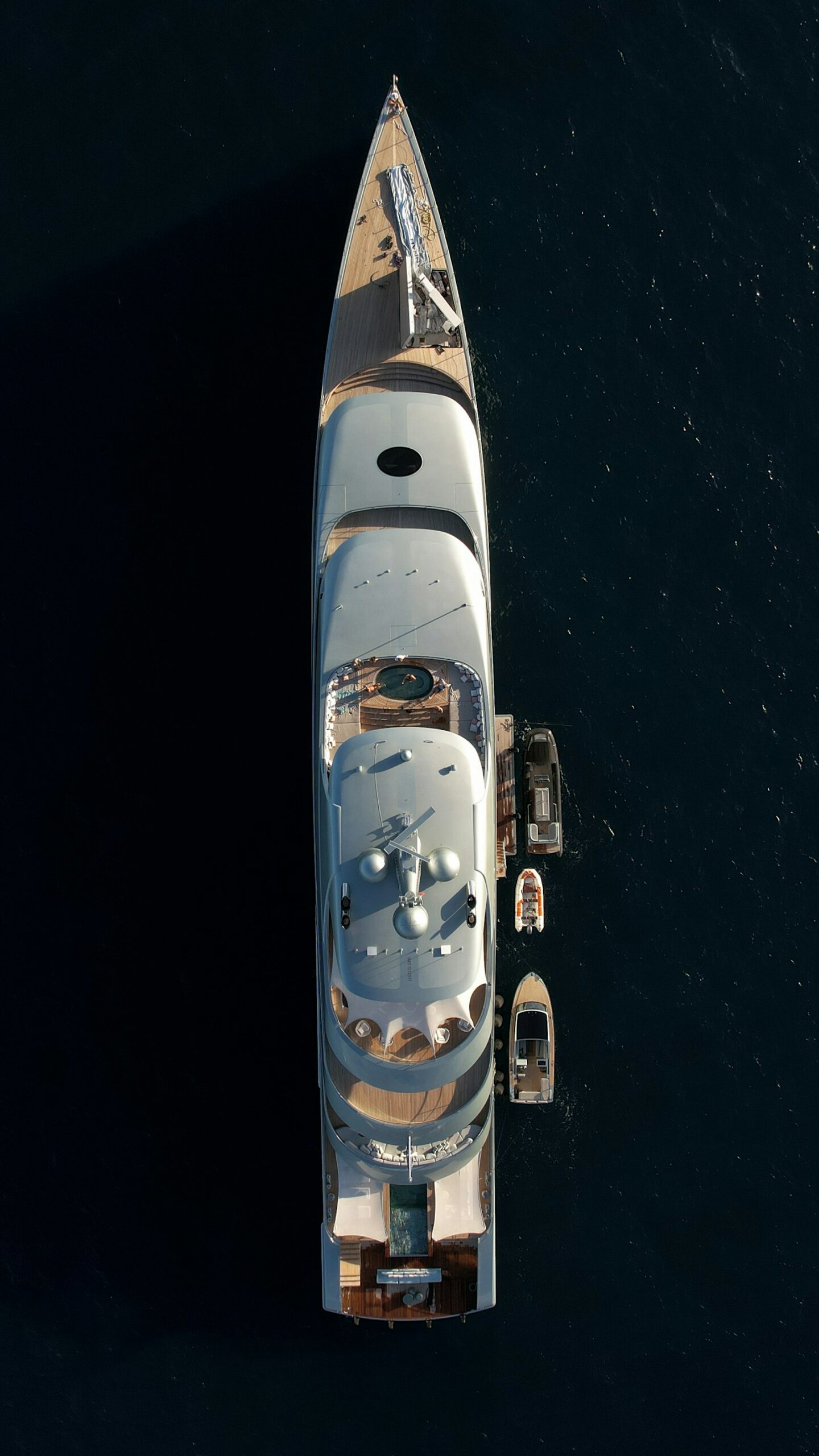 Charter
Motor Yacht or Catamaran in Sardinia: Which Charter Should You Choose?
Motor yacht or catamaran in Sardinia? A guide to speed, comfort, fuel, cost, La Maddalena, families and the charter that…
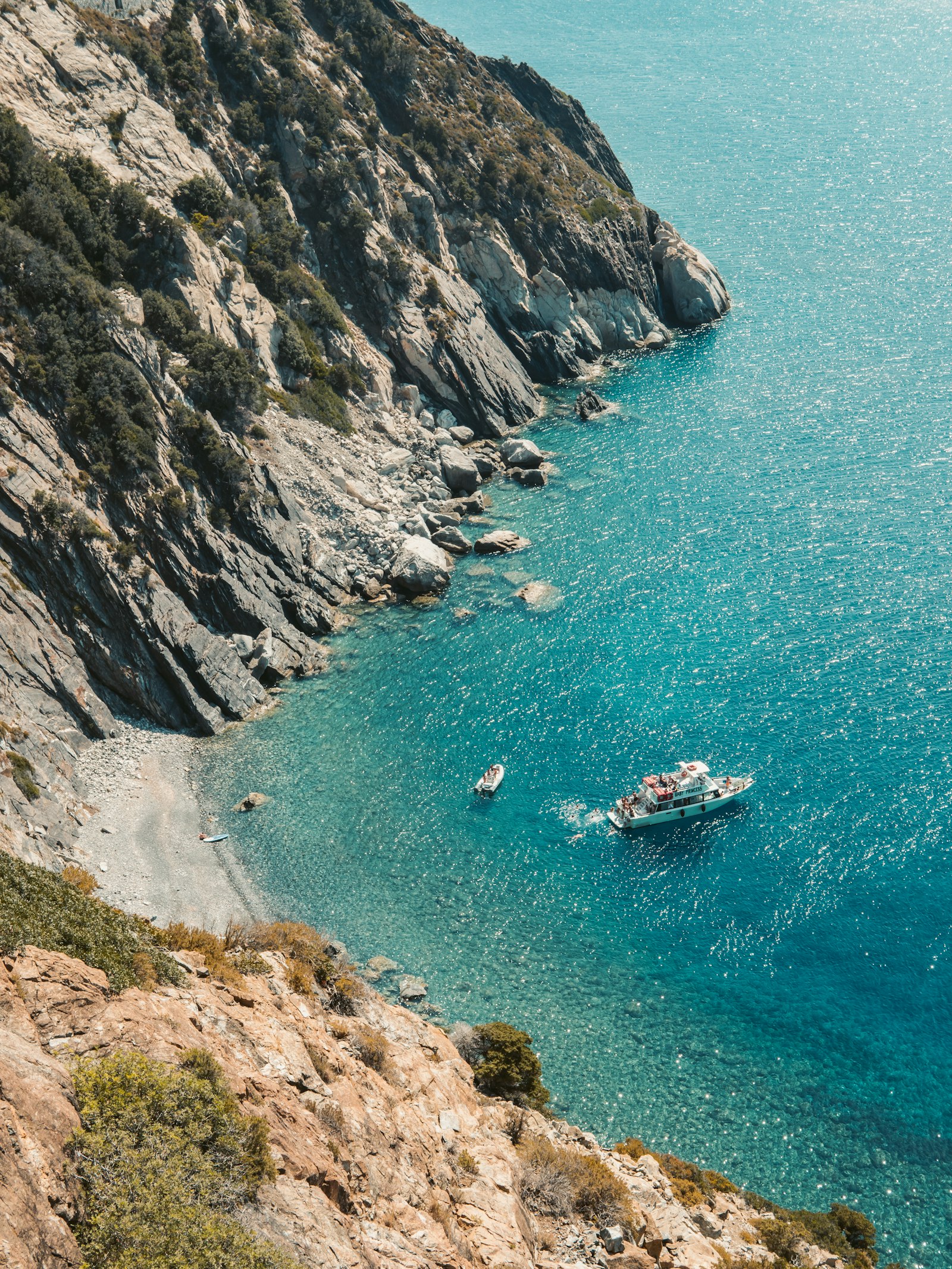 Charter
Tuscany Yacht Charter Cost: Elba, Argentario and Giglio in 2026
What a yacht charter in Tuscany really costs in 2026, across Elba, Argentario and Giglio, from day boats to crewed…
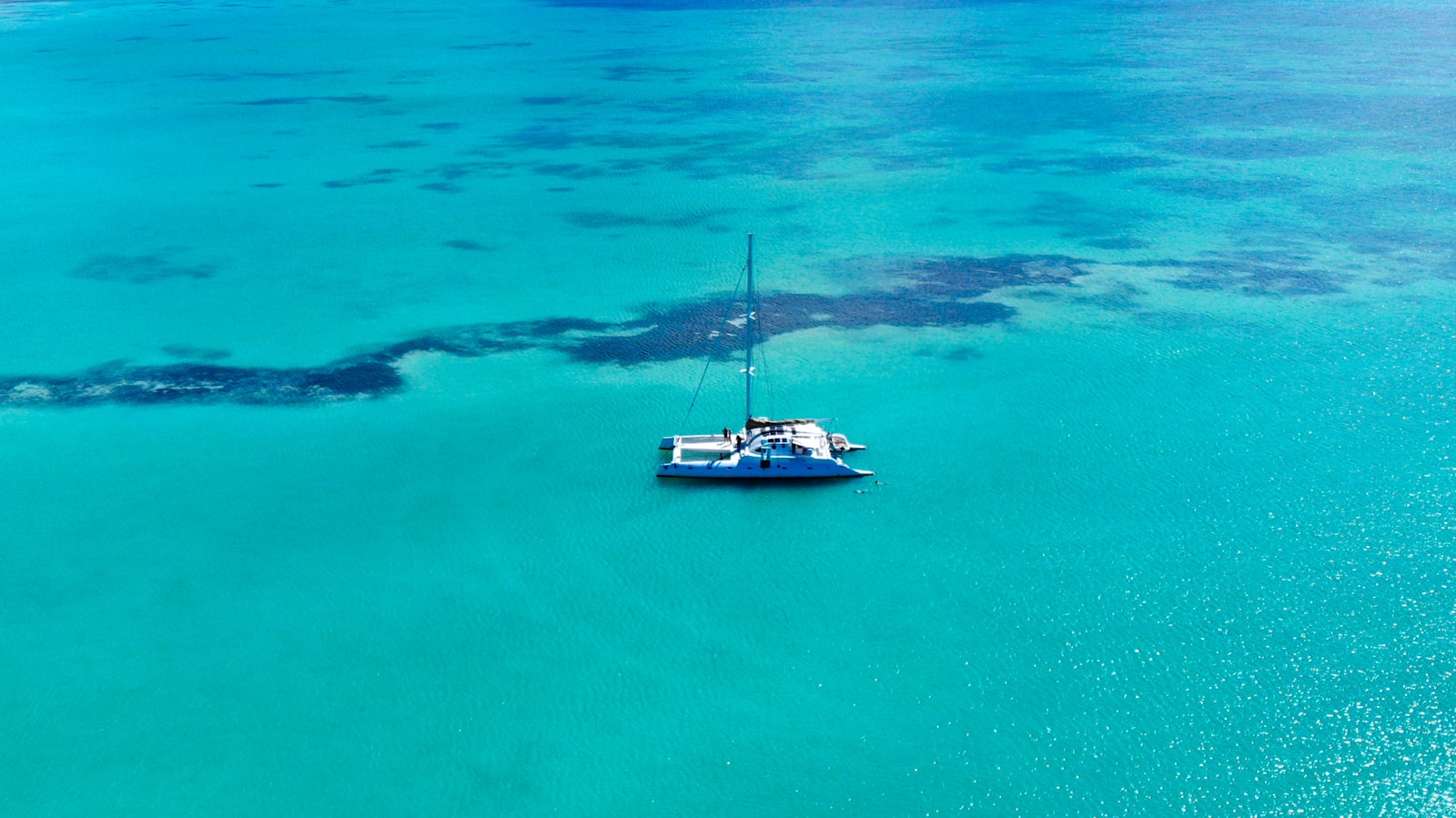 Charter
Sardinia Catamaran Charter Cost: Bareboat, Skippered or Crewed in 2026?
What a catamaran charter in Sardinia really costs in 2026: bareboat, skippered and crewed, with La Maddalena permits, fuel, mooring…

Start the conversation
Planning a yacht charter in Italy?
Tell us your dates, destination and guest number. We prepare a private shortlist with selected charter partners.
No account, no spam. A real person reads every brief and replies, usually within a day.